Fitness Advice And Healthy Living Trends
Health is no longer viewed simply as the absence of illness. Around the world, people are becoming more conscious of the choices they make every day, from the food they consume to the habits they build over time. As lifestyles continue to evolve, the demand for practical health knowledge and sustainable wellness strategies is growing faster than ever before.
The growing movement toward fitness lifestyle growth reflects a broader shift in how individuals approach long-term well-being. Rather than focusing only on short-term results, more people are seeking balanced solutions that combine physical fitness, preventive healthcare, mental wellness, and informed decision-making to create healthier and more resilient lives.
Rising Importance of Preventive Healthcare
What if the most powerful medical treatment is not something prescribed after illness appears, but something practiced long before symptoms ever emerge? This question is driving one of the most significant healthcare trends today, encouraging individuals to take a proactive role in protecting their health.
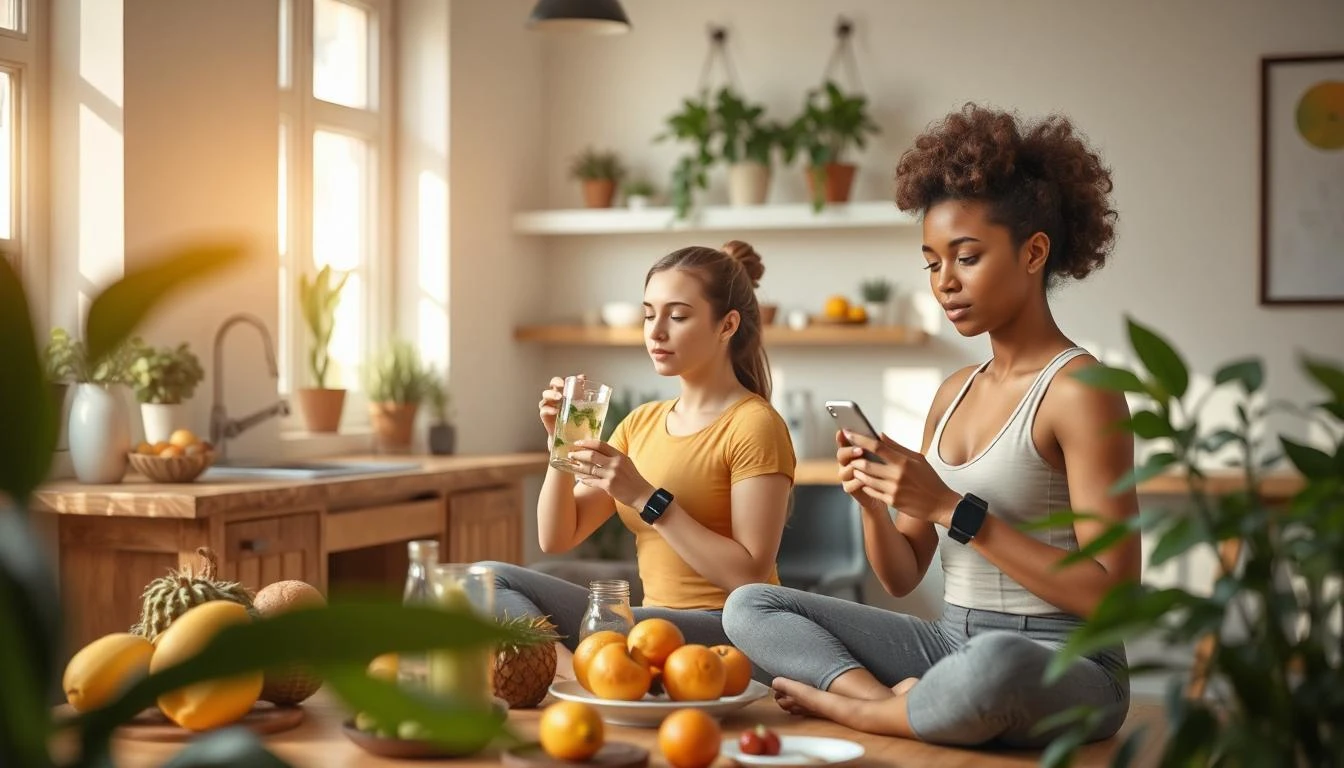
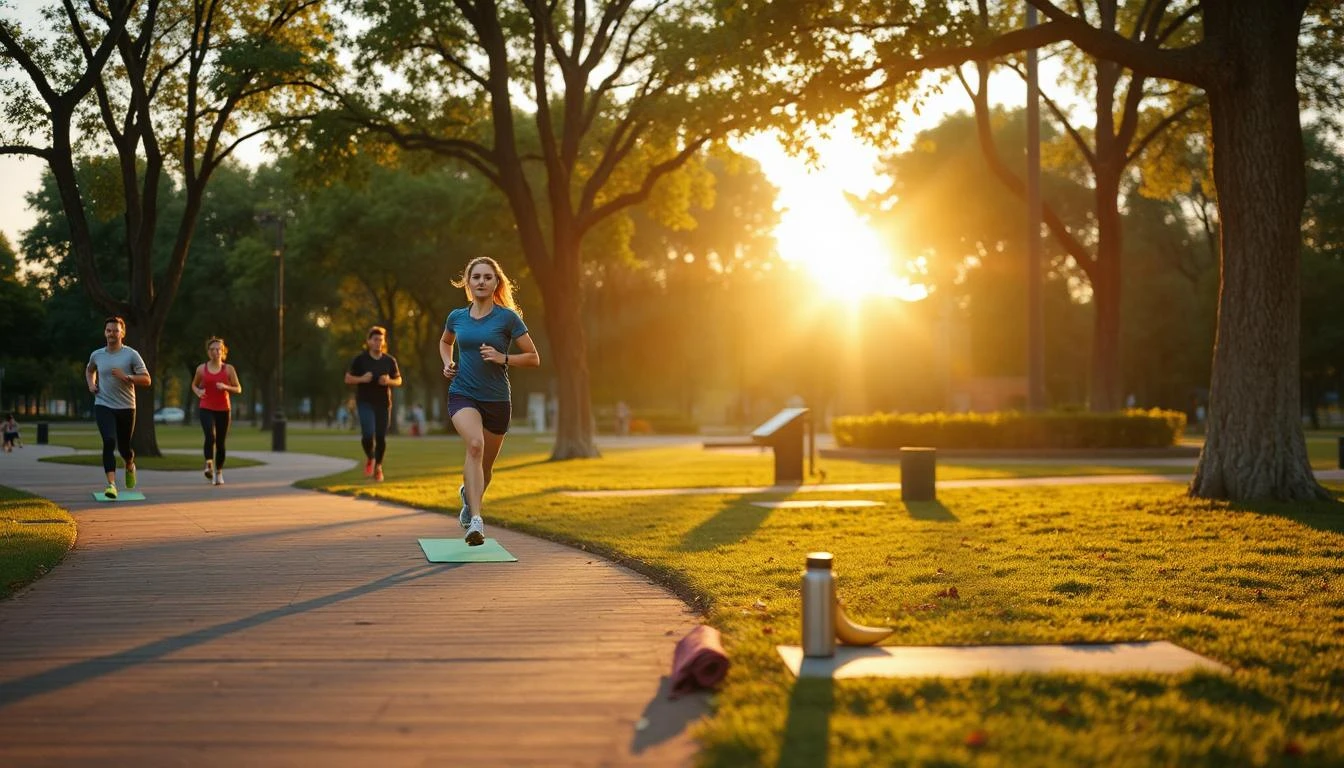
An active living routine is becoming a key part of preventive healthcare, helping people reduce health risks while improving overall quality of life. As awareness grows, prevention is increasingly recognized as one of the most effective tools for achieving lasting wellness.
Early Disease Detection and Screening Programs
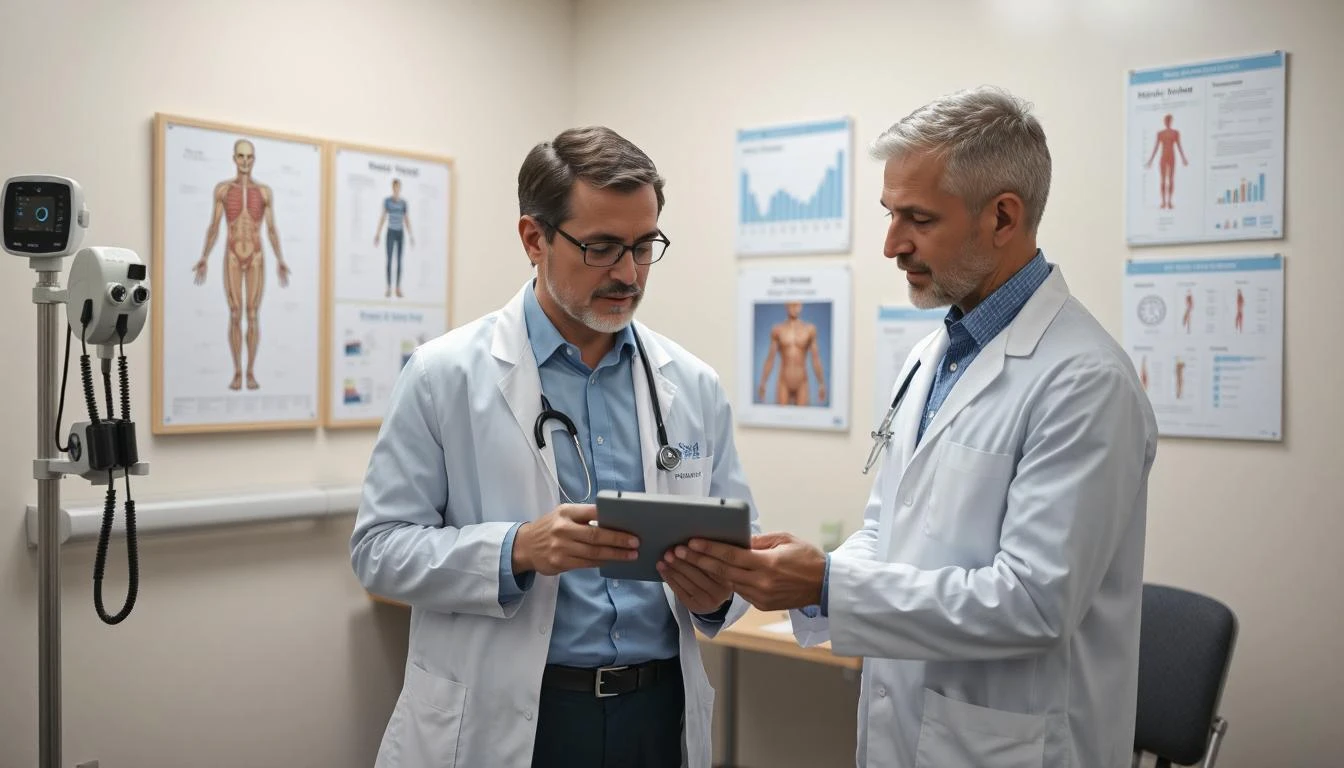
Early detection remains one of the strongest defenses against serious health conditions. Screening programs allow healthcare professionals to identify potential diseases before they progress into more severe stages, creating opportunities for faster treatment and improved outcomes.
Regular screenings for cardiovascular disease, diabetes, cancer, and metabolic disorders have become increasingly common. These preventive measures not only improve individual health but also reduce long-term healthcare burdens. According to Dr. Tedros Adhanom Ghebreyesus, Director-General of the World Health Organization, investing in prevention and early intervention remains one of the most effective approaches to improving global health outcomes.
Vaccination Awareness Campaigns
Vaccination awareness campaigns continue to play an essential role in public health. Beyond protecting individuals, vaccinations contribute to community-wide immunity that helps limit the spread of infectious diseases.
Modern campaigns focus on educating people about vaccine safety, effectiveness, and accessibility. As public understanding improves, vaccination rates tend to increase, strengthening public health systems and reducing preventable health risks across all age groups.
Regular Health Check-Up Culture
Routine health examinations are becoming a normal part of modern wellness culture. More individuals now recognize the importance of monitoring key health indicators such as blood pressure, cholesterol levels, blood sugar, and overall physical condition.
Regular check-ups provide valuable insights that help identify concerns before they become serious. They also create opportunities for healthcare providers to offer personalized recommendations that support healthier lifestyle choices and long-term disease prevention.
Digital Health Awareness and Information Access
Access to health information has never been easier. With just a few clicks, people can learn about symptoms, treatments, wellness practices, and medical research from almost anywhere in the world. Yet this unprecedented access also raises important questions about information quality and credibility.
As digital platforms continue to expand, understanding how to separate reliable information from misleading content becomes increasingly important for maintaining informed healthcare decisions.
Online Medical Consultation Growth
Telemedicine has transformed the healthcare experience by making professional medical guidance more accessible. Patients can now consult healthcare providers remotely, reducing travel time and increasing convenience.
The rise of online consultations has proven especially valuable for individuals living in rural areas or those with limited access to healthcare facilities. Digital healthcare solutions continue to bridge gaps in medical access while supporting more efficient patient care.
Health Misinformation Challenges on Social Media
While social media has improved access to health information, it has also accelerated the spread of misinformation. Unverified treatments, misleading health claims, and sensationalized content can create confusion and influence poor health decisions.
Developing digital health literacy is becoming a critical skill. Verifying sources, consulting qualified professionals, and relying on evidence-based information are essential practices for navigating today's information landscape responsibly.
Trusted Health Information Platforms
Trusted health information platforms help individuals make informed decisions by providing accurate, evidence-based content. Government health agencies, respected medical institutions, and peer-reviewed research organizations remain among the most reliable sources available.
As consumers become more selective about where they obtain information, trusted platforms continue to play a crucial role in promoting transparency, accuracy, and public confidence in healthcare information.
Global Health Crisis Preparedness
Recent global events have highlighted how quickly health emergencies can affect societies, economies, and daily life. As a result, preparedness has become a priority not only for governments and healthcare organizations but also for individuals and local communities.
Building awareness before a crisis occurs allows people to respond more effectively when unexpected situations arise, creating stronger and more resilient communities.
Pandemic Response Education
Pandemic response education equips individuals with the knowledge needed to understand disease transmission, preventive measures, and emergency protocols. These educational initiatives help reduce uncertainty while encouraging informed decision-making during health emergencies.
Communities that understand public health recommendations are often better positioned to respond calmly and effectively when facing future health challenges.
Emergency Healthcare Systems Awareness
Understanding how emergency healthcare systems operate can make a significant difference during critical situations. Awareness of emergency services, response procedures, and available healthcare resources helps individuals act quickly when urgent medical care is needed.
Improved public knowledge also supports more efficient use of healthcare resources, ensuring that emergency systems remain effective during periods of high demand.
Community Resilience and Preparedness Training
Strong communities are often built long before emergencies occur. Preparedness training programs teach practical skills such as emergency planning, communication strategies, and basic first aid, helping individuals feel more confident during uncertain situations.
As healthcare experts increasingly emphasize community involvement, resilience training is becoming a valuable component of public health preparedness around the world.
Take Action to Improve Medical Awareness in Your Community
Health awareness begins with everyday conversations, informed choices, and a willingness to share reliable knowledge with others. Whether encouraging family members to schedule routine check-ups or helping friends access trustworthy medical information, small actions can create meaningful change within a community.
The future of healthcare will likely depend not only on medical innovation but also on public awareness and participation. As renowned physician Dr. Atul Gawande once noted, better health outcomes often result from consistent systems, informed decisions, and preventive action rather than reactive treatment alone. The more communities embrace health education and prevention, the stronger and healthier they become.
If there is one question worth considering today, it is this: are your current habits helping build the healthier future you want tomorrow? Start taking small steps now and encourage others around you to do the same.