
Modern Healthy Lifestyle Trends 2026
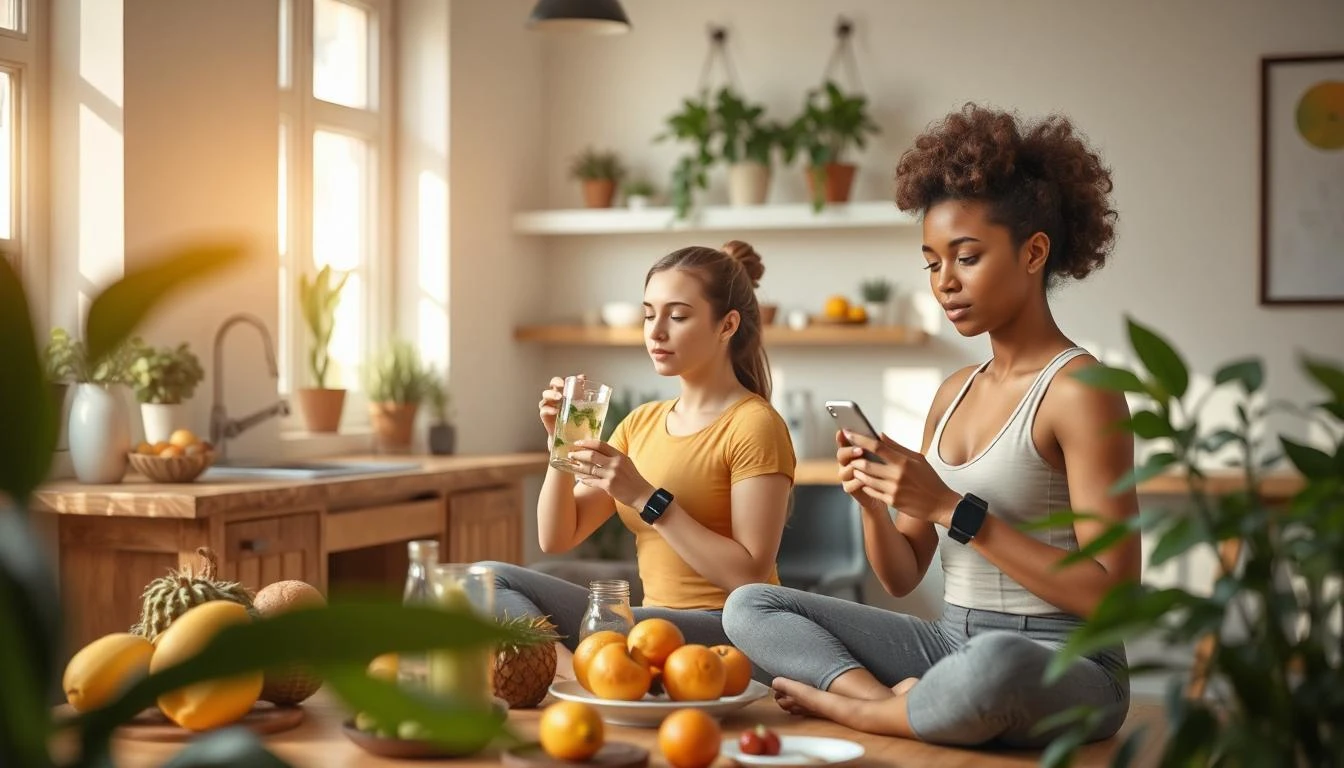
The way people approach health is changing at an unprecedented pace. Across the globe, individuals are moving beyond traditional fitness routines and generic nutrition advice to embrace smarter, more sustainable ways of living. From innovative health technologies to science-backed wellness strategies, modern lifestyles are being reshaped by a growing desire for longevity, vitality, and overall well-being. Understanding these transformations is essential for anyone seeking practical ways to improve daily health and future-proof their wellness journey.
Among the most influential shifts shaping personal well-being today are the emerging healthy lifestyle trends that combine physical health, mental resilience, nutrition science, and digital innovation. This evolving wellness movement is transforming how people build healthier routines, make informed dietary decisions, and leverage technology to optimize their lives. As these modern approaches continue to gain momentum worldwide, they offer valuable insights into creating a balanced and sustainable future.
What if the next breakthrough in personal wellness is not a revolutionary medical treatment, but a collection of small daily habits enhanced by artificial intelligence, personalized nutrition, and behavioral science? The answer may redefine how people approach health for decades to come.
Holistic Wellness and Mind-Body Integration
Modern health discussions increasingly focus on treating the body and mind as interconnected systems rather than separate entities. This holistic perspective has become one of the strongest drivers behind contemporary wellness movements. People are recognizing that physical fitness, emotional stability, sleep quality, and mental clarity all influence one another in profound ways.
Mindfulness and Meditation Practices in Daily Life
Mindfulness has evolved from a niche practice into a mainstream wellness strategy. Individuals across different age groups are incorporating meditation, breathing exercises, and mindful awareness techniques into their daily routines. These practices help improve concentration, reduce mental fatigue, and support emotional regulation.
One of the most effective daily wellness habits involves dedicating just a few minutes each day to intentional mindfulness. Whether through guided meditation apps, gratitude journaling, or simple breathing exercises, these practices create a foundation for greater mental resilience and self-awareness.
Functional Fitness and Movement-Based Training
Traditional exercise programs focused heavily on aesthetics and weight loss. Today, functional fitness prioritizes movement quality, mobility, flexibility, and overall physical performance. Activities such as mobility training, bodyweight workouts, yoga, pilates, and hybrid fitness programs are gaining popularity because they support real-world movement patterns.
Relevant LSI keywords such as preventive healthcare, active living, mobility training, and sustainable fitness routines naturally align with this trend. Rather than pursuing short-term results, many individuals are choosing exercise approaches that support lifelong health and injury prevention.
Emotional Well-Being and Stress Management
Emotional health has become a central pillar of wellness in 2026. Rising awareness of burnout, anxiety, and chronic stress has encouraged people to prioritize mental recovery alongside physical fitness.
Stress management techniques now include mindfulness practices, cognitive behavioral strategies, sleep optimization, nature exposure, and social connection. Organizations are also integrating wellness programs that support emotional resilience and work-life balance.
Researchers are increasingly discovering that chronic stress may influence everything from immune function to digestive health, highlighting how emotional wellness affects far more than mood alone.
Nutrition and Personalized Health Approaches
Nutrition is undergoing a remarkable transformation. Instead of following one-size-fits-all diets, consumers are seeking personalized approaches that reflect their individual biology, lifestyle, and health goals.
Plant-Based and Clean Eating Movements
Plant-based nutrition continues to gain widespread acceptance. Many individuals are reducing processed foods and increasing consumption of vegetables, fruits, legumes, nuts, and whole grains.
The growing emphasis on clean eating, nutrient-dense foods, anti-inflammatory diets, and sustainable nutrition reflects consumer demand for healthier and environmentally conscious food choices. These dietary approaches support long-term wellness while promoting better energy levels and overall vitality.
DNA-Based and Personalized Diet Plans
Advancements in genetic science have enabled the rise of personalized nutrition. DNA testing and biomarker analysis now help individuals better understand how their bodies respond to specific foods, nutrients, and dietary patterns.
One emerging long-tail keyword trend is best personalized nutrition strategies for long-term health optimization. Consumers are increasingly interested in tailored recommendations that align with their unique metabolic profiles rather than relying on generalized dietary advice.
Gut Health and Microbiome Awareness
The human microbiome has become one of the most discussed topics in modern wellness. Research continues to reveal the important relationship between gut bacteria, digestion, immune function, metabolism, and mental health.
Keywords such as gut health, microbiome balance, digestive wellness, and probiotic-rich foods are increasingly relevant within contemporary health discussions. Supporting gut health through fiber-rich foods, fermented products, and diverse dietary patterns is now considered a foundational wellness strategy.
Digital Wellness and Health Technology
Technology is no longer viewed solely as a productivity tool. It has become an essential component of modern health management, enabling individuals to monitor, analyze, and improve various aspects of their well-being.
Wearable Health Tracking Devices
Wearable technology continues to evolve rapidly. Smartwatches, fitness trackers, and biometric monitoring devices now provide real-time insights into heart rate, sleep quality, activity levels, recovery metrics, and stress indicators.
Many consumers searching for best wearable health devices for tracking wellness goals in 2026 are seeking actionable data that can support informed lifestyle decisions. These devices encourage accountability while helping users identify patterns that influence their health outcomes.
AI-Driven Wellness Applications
Artificial intelligence is transforming the wellness industry by delivering personalized recommendations based on user behavior and health data. AI-powered platforms can generate customized workout plans, nutrition suggestions, sleep improvement strategies, and wellness reminders.
Relevant LSI keywords such as health technology innovation, AI wellness coaching, digital health solutions, and predictive healthcare tools illustrate the growing role of intelligent systems in personal health management.
Digital Detox and Screen Time Balance
Despite technological advancements, many people are recognizing the importance of limiting excessive screen exposure. Digital detox practices are becoming increasingly common as individuals seek healthier relationships with technology.
One growing long-tail keyword is how to balance screen time and mental wellness in a digital world. Strategies such as scheduled device-free periods, notification management, outdoor activities, and mindful technology use help support mental clarity and emotional well-being.
Embrace Modern Wellness for a Healthier Future
The future of wellness is becoming increasingly personalized, preventive, and technology-driven. Individuals now have access to unprecedented tools and information that enable them to take greater control of their health outcomes. From mindfulness and functional fitness to personalized nutrition and AI-powered wellness platforms, these developments are reshaping how people pursue long-term well-being.
Health experts consistently emphasize the importance of sustainable habits over quick fixes. As renowned lifestyle medicine advocate Dr. Dean Ornish stated, "Small changes can make a big difference." This principle remains highly relevant as modern wellness continues to evolve through evidence-based approaches and practical daily actions.
The most successful health journeys are rarely built on perfection. Instead, they are created through consistent choices that align with personal goals, values, and lifestyles. By embracing emerging wellness innovations while maintaining foundational healthy habits, individuals can build stronger resilience and enjoy greater quality of life.