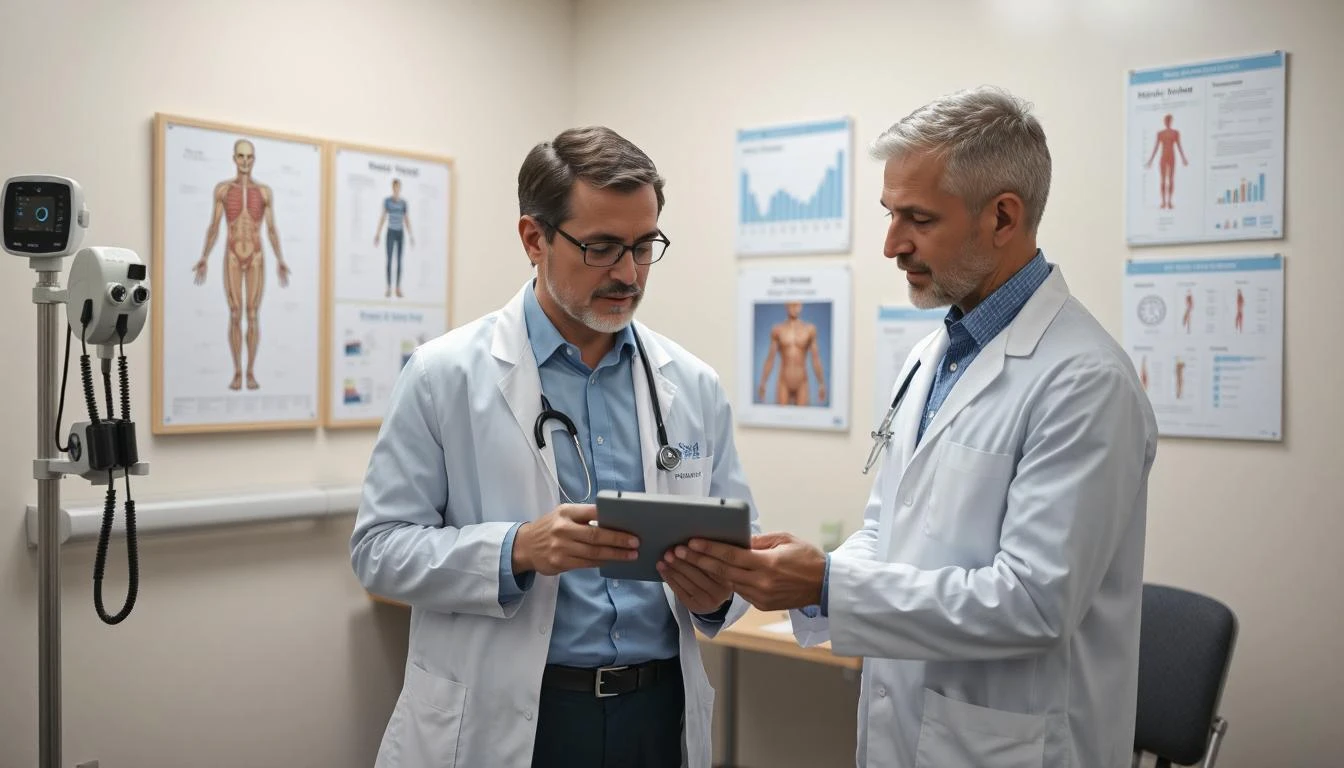
Nutrition Tips And Fitness Guide Update

Have you ever wondered why health education is evolving faster than ever before? Around the world, people are no longer relying solely on traditional sources of information. Digital platforms, artificial intelligence, mobile applications, and community-driven initiatives are transforming the way individuals learn about wellness, prevention, and healthy living. This shift is creating new opportunities for people of all ages to access reliable health knowledge anytime and anywhere.
Today, achieving nutrition fitness balance is no longer limited to following diet plans or workout routines. It has become a comprehensive approach that combines health literacy, personalized learning, technology-driven solutions, and informed lifestyle choices. As healthcare innovation continues to accelerate, understanding how modern education supports healthier communities has become increasingly important for anyone seeking long-term well-being.
Digital Transformation in Health Learning
The digital revolution is reshaping health education in remarkable ways. Information that once required textbooks, seminars, or professional consultations can now be accessed within seconds. As technology continues to evolve, new learning methods are helping people understand complex health topics more effectively while encouraging proactive wellness habits.
Modern digital learning environments also provide valuable body training guidance that helps individuals understand the connection between exercise, nutrition, recovery, and overall health. This integrated approach supports both beginners and experienced learners who want practical knowledge backed by credible information.
E-learning Platforms for Medical Education
E-learning platforms have become one of the most significant developments in modern health education. These platforms offer structured courses covering nutrition science, preventive healthcare, physical fitness, disease management, and mental well-being. Learners can access expert-led content regardless of geographical location, making quality health education more accessible than ever.
The growing popularity of online medical learning reflects a broader trend toward lifelong education. Whether someone wants to understand healthy eating patterns or learn about evidence-based wellness strategies, digital platforms provide flexible opportunities to gain valuable insights. According to Dr. David W. Baker, a recognized health literacy expert, health literacy is one of the strongest predictors of overall health outcomes, highlighting the importance of accessible education for all.
Virtual Classrooms and Simulation Tools
Virtual classrooms are transforming passive learning into interactive experiences. Through simulations and immersive educational environments, learners can visualize health concepts that may otherwise seem difficult to understand. These tools help bridge the gap between theory and practical application.
Healthcare educators increasingly utilize simulation technologies to demonstrate exercise techniques, nutritional planning scenarios, and disease prevention strategies. This interactive learning model improves engagement while allowing learners to apply knowledge in realistic situations without real-world risks.
Mobile Health Education Applications
Mobile applications have become powerful companions in everyday health management. From tracking daily nutrition and physical activity to providing educational resources and wellness reminders, these applications place health education directly into users' hands.
Many people searching for the best health education apps for healthy lifestyle improvement now rely on mobile solutions to monitor progress and maintain accountability. Features such as calorie tracking, hydration reminders, sleep monitoring, and personalized recommendations contribute to a more informed approach to health management.
Community-Based Health Awareness Programs
While digital innovation continues to expand, community engagement remains a cornerstone of effective health education. People often learn best when information is delivered through trusted local networks and relatable experiences. Community-based initiatives help transform health knowledge into meaningful action.
These programs create opportunities for individuals to discuss concerns, share experiences, and build stronger support systems that encourage sustainable lifestyle improvements. The combination of local engagement and educational outreach plays a critical role in improving public health outcomes.
Local Health Campaigns and Outreach
Local health campaigns bring essential information directly to communities. These initiatives frequently focus on preventive healthcare, nutrition awareness, physical activity promotion, and chronic disease prevention. Because the information is tailored to local needs, participants often find it more relevant and actionable.
Community outreach programs also help reduce barriers to health education by providing accessible resources in familiar environments. This localized approach strengthens trust while encouraging greater participation among diverse populations.
Peer-to-Peer Health Education Models
Peer-to-peer education has emerged as an effective strategy for improving health literacy. Individuals often feel more comfortable learning from others who share similar experiences, challenges, and goals. This creates an environment where practical advice feels relatable and achievable.
Peer educators can offer insights into healthy habit formation, fitness consistency, and nutritional decision-making. Their experiences often serve as powerful examples that inspire lasting behavior change while fostering stronger community connections.
School-Based Health Literacy Initiatives
Schools play a fundamental role in shaping lifelong health habits. By introducing students to concepts such as balanced nutrition, physical fitness, mental wellness, and preventive care, educational institutions help establish strong foundations for future health decisions.
Health literacy programs in schools also prepare younger generations to navigate an increasingly complex information landscape. Developing critical thinking skills enables students to evaluate health information more effectively and make informed choices throughout their lives.
Data-Driven Health Education Strategies
Data is becoming one of the most valuable tools in modern health education. By analyzing behavioral patterns and learning preferences, educators can create more effective and personalized educational experiences. This shift is helping individuals receive information that aligns more closely with their unique needs and goals.
As health technology continues to advance, data-driven approaches are expected to play an even greater role in promoting healthier lifestyles and improving educational outcomes worldwide.
Use of Analytics in Health Behavior Tracking
Health analytics tools provide valuable insights into personal wellness habits. Wearable devices, fitness trackers, and health applications can monitor activity levels, sleep quality, dietary patterns, and other important metrics that contribute to overall well-being.
These insights allow individuals to identify trends, recognize opportunities for improvement, and make data-informed decisions about their health. As a result, analytics have become a key component of modern wellness strategies.
Personalized Learning in Healthcare Education
Personalized learning is transforming how health information is delivered and consumed. Rather than receiving generic educational materials, individuals can now access customized content based on their interests, health objectives, and learning preferences.
Relevant concepts supporting this approach include preventive healthcare, nutrition education, healthy lifestyle habits, fitness tracking technology, digital wellness solutions, and personalized health coaching. Together, these elements create a more engaging and effective learning experience.
AI-Supported Medical Knowledge Systems
Artificial intelligence is rapidly changing the healthcare education landscape. AI-powered systems can analyze vast amounts of medical information and deliver relevant educational content with impressive speed and accuracy. These technologies help learners access up-to-date information while simplifying complex health topics.
Healthcare professionals are increasingly integrating AI tools into educational environments to improve learning outcomes and support evidence-based decision-making. As technology advances, AI-supported learning systems are expected to become even more influential in shaping future health literacy initiatives.
Improve Global Health Literacy Through Innovation
Innovation continues to redefine how people learn about health and wellness. The integration of digital technology, community engagement, data analytics, and artificial intelligence is creating a more informed and empowered global population. As access to quality education expands, individuals gain greater opportunities to make healthier decisions that positively impact their lives and communities.
This transformation is not simply about delivering more information. It is about ensuring that knowledge becomes understandable, accessible, and actionable. Dr. Rima Rudd, a leading authority on health literacy, has emphasized that clear communication is essential for improving health outcomes, reinforcing the idea that education must be both informative and practical.
As we look ahead, one question becomes increasingly important: how can individuals keep pace with rapidly evolving health information while avoiding misinformation and confusion? The answer lies in continuous learning, critical thinking, and a willingness to embrace credible educational resources that support lifelong wellness.
If you want to stay informed and build healthier habits, now is the perfect time to explore the latest innovations in health education and apply them to your daily life.